
Sarir Sanat Amir Products
Ribbed (Serrated) Flat Bar: Specifications and Overview
Steel flat bar is a long section with a rectangular cross-section. Thanks to its high strength and flexibility, it is an essential material in many industries.
1. Production Specifications (Slit Flat Bar)
| Property | Technical Details |
| Production Method | Slitting and machining (for edge chamfering and final finishing) |
| Raw Material | Hot-rolled (black) sheet |
| Thickness | 2 to 6 mm |
| Width | 20 to 200 mm |
| Length | Cut to order |
| Width Tolerance | ±0.1 mm |
| Length Tolerance | +3 mm |
Base Sheet Quality Standards:
- EN 10025: (S235JR/S275JR/S355JR)
- DIN 17100: (RSt37−2/St44/St52)
2. Main Applications of Steel Flat Bar
Thanks to its mechanical and dimensional properties, steel flat bar plays a key role in the following sectors:
- Grating: production of bearing bars and cross bars.
- Construction: self-supporting steel joists, railings and guards.
- Home appliances: bodies and frames of equipment.
- Machine building: production of various machine parts.
3. What Is Ribbed (Serrated) Flat Bar?
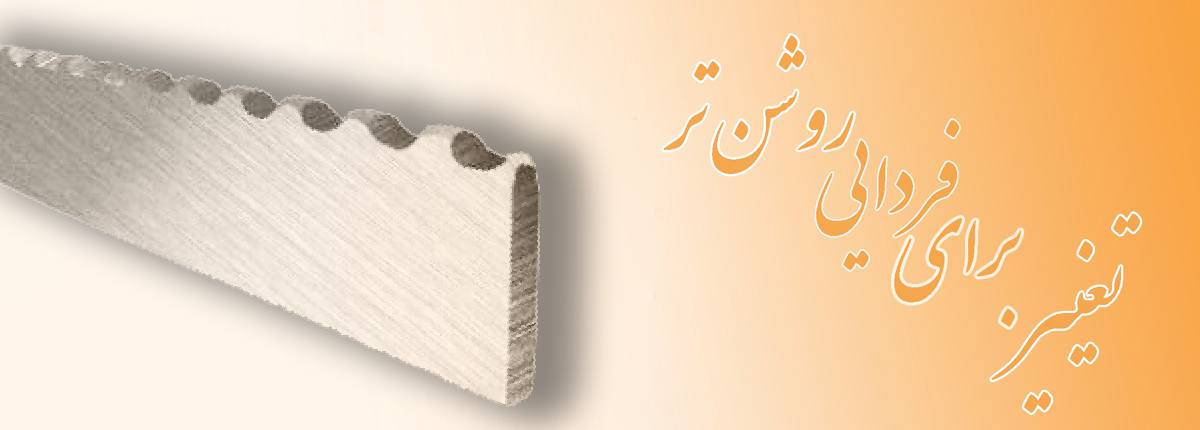
Ribbed flat bar is a special type of steel flat bar whose surface is milled or serrated. The name comes from the grooves and ridges formed on the surface of the bar.
Applications of Ribbed Flat Bar:
- Higher friction: the main purpose of serrating is to create high surface friction.
- Grating: it is used as a bearing bar in the manufacture of gratings.
- Slippery environments: gratings made with serrated bars are ideal for wet, oily and slippery areas (such as oil platforms, industrial plants or pedestrian bridges in high-rainfall regions), because they prevent people and equipment from slipping.
In short: ribbed flat bar is steel flat bar whose surface has been serrated to improve safety and reduce slipping in specific applications, mainly grating.